Avoid Multi-tasking and Get Stuff Done
Getting stuff done.
Getting stuff done.
When you’ve got lots on your plate, how do you do it?
Perhaps you multi-task, doing multiple things at once.
Prepare presentations, answer emails, respond to instant messages, all whilst you’re on a video-call.
You get more done if you’re doing multiple things at the same time, right?
There’s an old Chinese proverb, **“The man who chases two rabbits, catches neither.” **~ Confucius.
In his book, The Myth of Multitasking, Dave Crenshaw reveals that people are not doing multiple things at once, but rather, switching between tasks, so instead of multi-tasking, they are switch-tasking.
And the problem is the switching cost, this is the time taken to refocus when you switch from one task to another. According to Crenshaw, you actually take much longer to accomplish things, make more mistakes and increase your stress, when you multitask.
Dr Julia Irwin of Macquarie University found that when interrupted, it can take up to 15 mins to get back to the same degree of immersion.
A study by Professor David Meyer from the University of Michigan concluded that switching between tasks costs as much as 40 per cent of one’s productive time.
Dr Glenn Wilson whilst at the Institute of Psychiatry in London, conducted a study with 1,100 workers and found that multi-tasking with electronic media caused a temporary 10 point decrease in IQ, an effect worse than smoking pot or losing a night’s sleep.
Multi-tasking is a vicious circle that increases the time to perform tasks and has a detrimental impact on mental health.
**So, what’s solution? **
As multi-tasking is a series of interruptions, the solution is to avoid interruptions.
When there is an important task to be done, block out your calendar and shut down all channels of communication so you can concentrate.
Remove the temptation to multitask (or micro-procrastinate) by putting your phone on mute, turning off your notifications and resist the urge to check social media. If you’re on a video call, shut down all other screens and give your audience your full attention.
When I’ve got something that requires my full attention, I use the pomodoro technique.
This is a time management method developed by Francesco Cirillo which involves focused work intervals of 25 mins with 5 minute breaks.
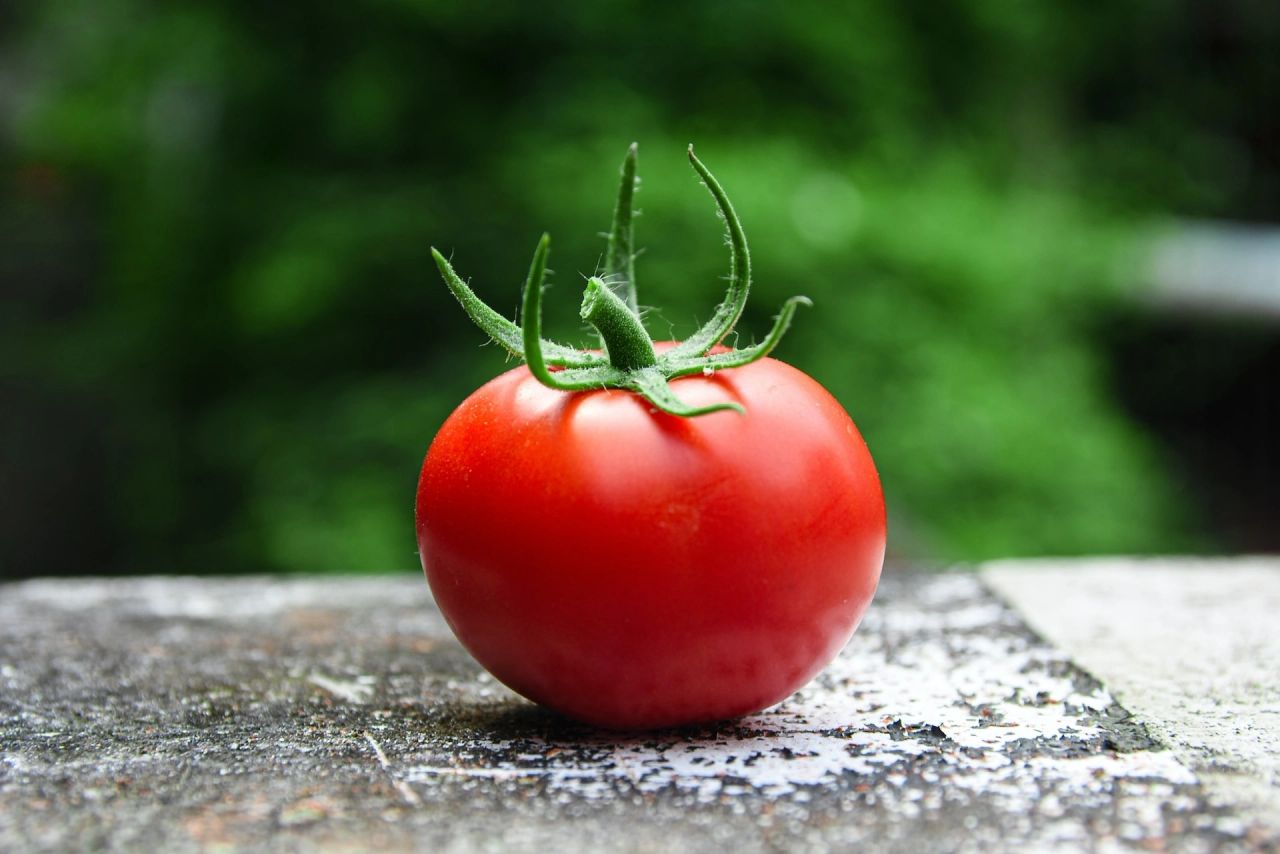
Each interval is known as a pomodoro, which is Italian for tomato, because Cirillo used a tomato shaped kitchen timer as a university student.
The technique has six steps:
- Decide on the task to be done
- Set the pomodoro timer for 25 minutes
- Work on the task
- When the timer rings, take a short break of 5 minutes.
- Then go back to step 2 and repeat until 4 cycles are completed
- After 4 pomodoros are done, take a long break of 20-30 minutes
Give 100% of your attention to the task at hand and stick to the pomodoros.
By doing it this way, the quality of the work you produce and the speed at which you do it will be far superior to anything you may have produced by multitasking.
You’ll feel a greater sense of accomplishment, be less stressed and be in a better mental state.
So, avoid multi-tasking. You’ll get a lot more done and feel great about it.
Image credit:
https://unsplash.com/photos/red-tomato-on-gray-concrete-surface-OlXUUQedQyM
**References: **
https://francescocirillo.com/products/the-pomodoro-technique
https://www.amazon.com.au/Myth-Multitasking-Doing-Gets-Nothing/dp/0470372257
https://www.smh.com.au/technology/multitasking-makes-you-stupid-studies-find-20150520-gh5ouq.html
https://www.fastcompany.com/944128/worker-interrupted-cost-task-switching
https://www.chicagotribune.com/opinion/ct-xpm-2010-08-10-ct-oped-0811-multitask-20100810-story.html
https://www.theguardian.com/money/2009/oct/05/avoid-multitasking