Learnings from Vietnam - April 2023
I recently had the good fortune of taking a holiday in Vietnam. Although resting, I was keenly observing my surroundings and keeping my mind engaged.
I recently had the good fortune of taking a holiday in Vietnam. Although resting, I was keenly observing my surroundings and keeping my mind engaged.
Vietnam has a population of almost 100 million people, so I wanted to understand how success was achievable in a hyper-competitive environment and how I could use these learnings back in Australia.
I have distilled my experiences into the following three key themes - these stood out as things that were critical to success.
-
Convenience - As tourists, we were in the market for souvenirs, and on a Dragon Boat cruise, the boat owners had a range of souvenirs and clothes that were available for sale. Instead of us needing to go track down these clothes, the clothes came to us. Yes, we were a captive audience, but it was a “right-place, right-time” situation, where they appealed to our needs and delivered a great shopping experience.
-
Social proof - We were looking for a place to eat that was close to where we were staying. We used Google Maps, looking at local restaurants and decided on a restaurant due to the reviews that were left on their page. Talking with the owners, they told us that they’d only been open for a week, so the utilisation of technology and tools was very beneficial for us and them. The food was great, the service impressive, so we left a review as well to help them continue on their journey to success.
-
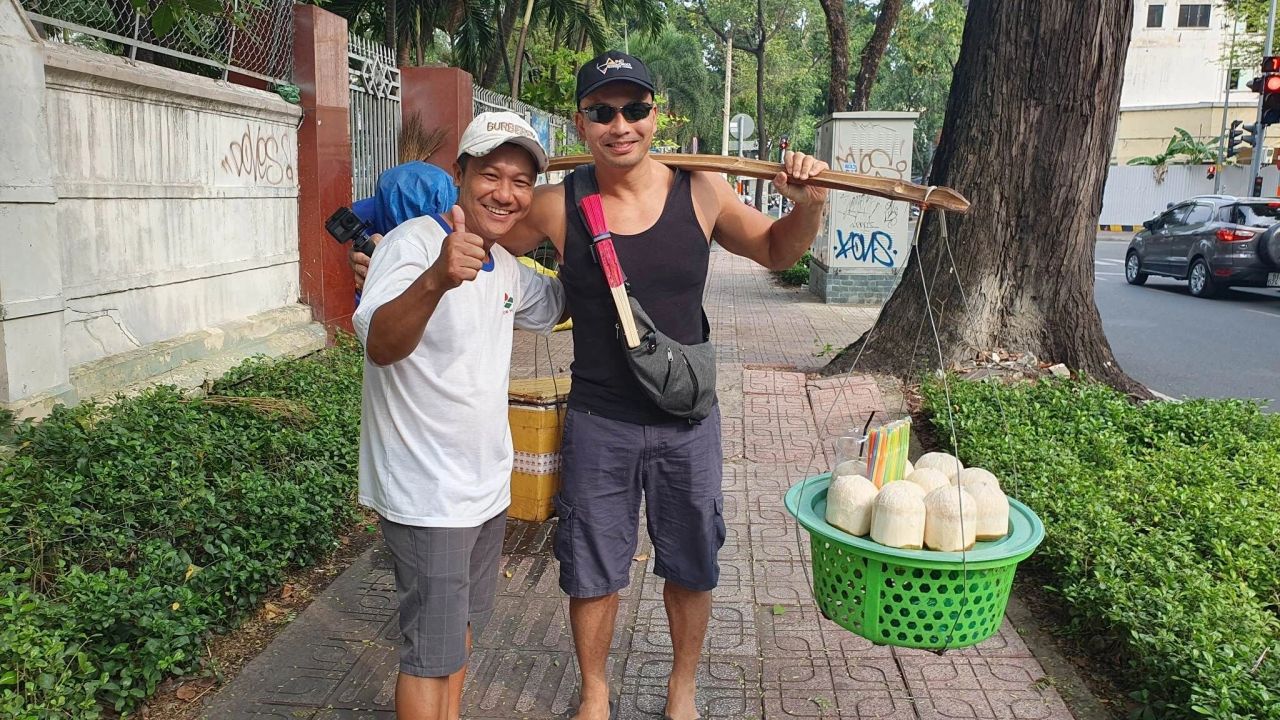
Personalisation - Walking to the War Remnants Museum in Ho Chi Minh City, we were engaged in a conversation with a street vendor who appealed to my ego (you look strong!). He capitalised on the physical exertion of us walking in a 38 degree, 70% humidity day and it was a foregone conclusion that we would buy his coconut drinks.
How can we use this in our day to day?
-
Convenience - Make it easy for customers. If customers are visiting your website, serve content that appeals to their needs. If they are there and browsing, increase your chances of success by giving them what they want. How do you know what they want? Understand their needs by analysing their navigation behaviour, browsing and purchase history, engagement with communications. Customers provide plenty of clues, it’s just a matter of how you collect and use this information.
-
Social proof - Encourage written referrals as evidence for new and existing audiences. Use this to accentuate experiences that you provide, giving you a point of difference that could help tip the balance of their decision in your favour and result in a conversion.
-
Personalisation - Know what and why customers want particular items and place this in front of them at the right time. Knowing your customer needs and their stage in the purchase lifecycle will help you personalise the experience. Use data to automate this to occur when they need it, removing laborious manual effort of trying to guess when customers are ready.
Vietnam was restful and educational, I can’t wait to return for another holiday!